17th June 2026
Written by Caroline Lievesley
‘You’re not waiting for a problem to fix, you’re building skills in low-pressure moments so they’re there for you when the pressure comes.’
For many developing athletes, sport psychology can still feel like something reserved for moments of difficulty. Through the partnership between TASS and British Cycling, sport psychologist Phil Clarke helped challenge that perception, showing riders on the pathway how psychology support can be a practical, everyday tool for performance, preparation and confidence. In this conversation, he reflects on how collaborative support helped athletes engage with psychology in a more open and meaningful way.
What attracted you to the partnership between TASS and British Cycling?
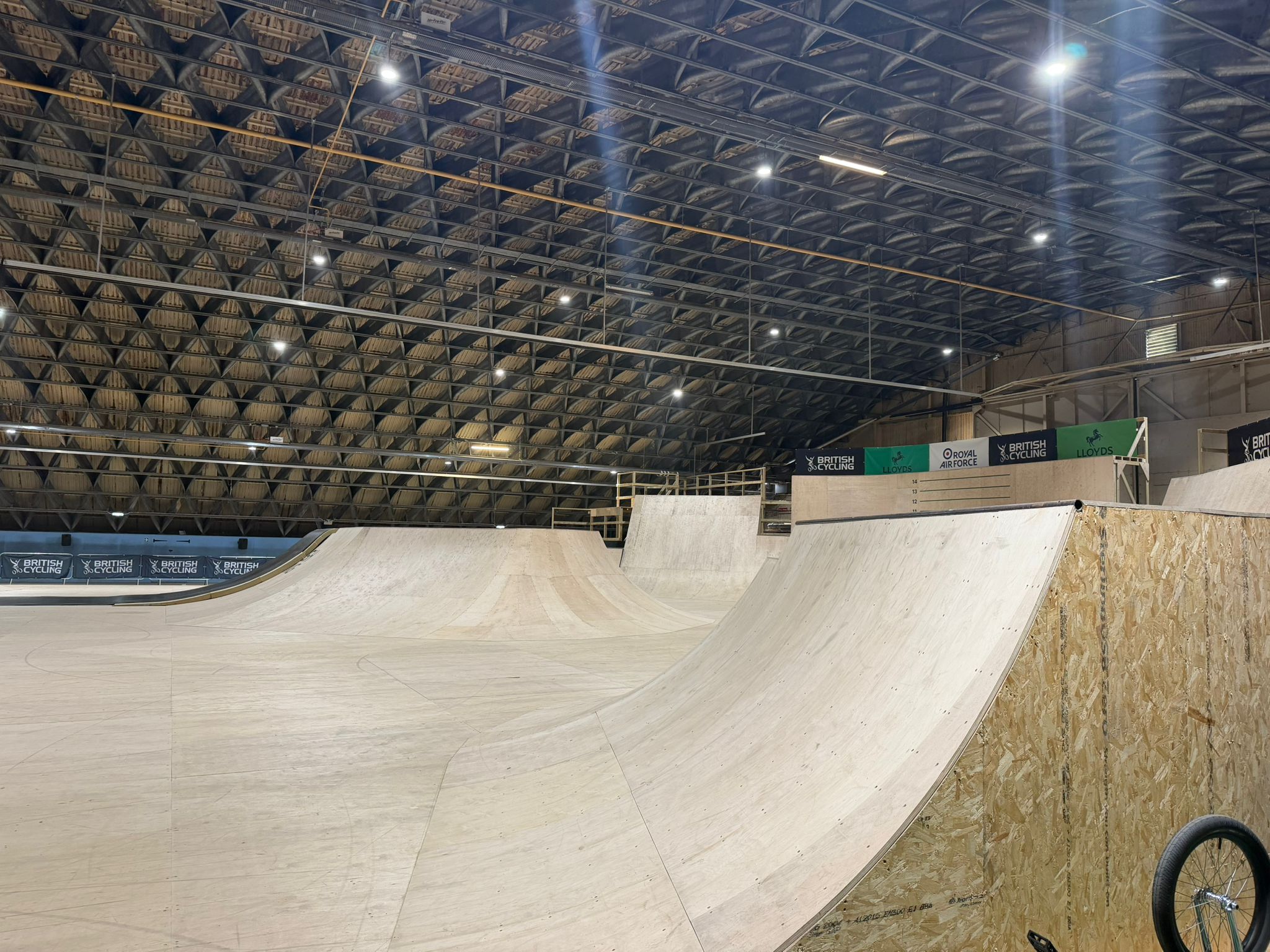
With Derby having a velodrome and British Cycling coming down and doing sessions there over the years, it was always something I was really interested in. British Cycling is one of those environments where they are constantly pushing best practice, so for me it felt like a brilliant opportunity to both learn from an elite performance programme and also provide value to the athletes and staff.
What stood out straight away was how well British Cycling used the additional support available through TASS. They were very good at bringing practitioners together and making the most of the budgets available, particularly around camp support. It created an environment where athletes could access expertise from different disciplines, whether that was psychology, nutrition or other support services, all working together.
For practitioners like me, it also meant being part of a genuinely collaborative performance environment.
Were athletes always open to psychology support?
Not always, and I think that’s quite normal. For some athletes, sports psychology can feel unfamiliar at first and they may not fully understand what it involves or how it can help them. Sometimes there can also be a perception that psychology support is only needed when something has gone wrong, rather than as part of everyday performance development. The shift I’d try to land with athletes early on was problem solver versus performance enhancer. Yes, psychology can help when there’s a crisis. But the more interesting question is, if you’re already performing at 80 or 90% of your capacity, how do you push it to 91, 92, 93? That’s where consistency lives. You’re not waiting for a problem to fix, you’re building skills in low-pressure moments so they’re there for you when the pressure comes.
What was really positive within the TASS and British Cycling environment was that athletes could engage with psychology support in a more informal and approachable way. It became part of the wider support system around them rather than something separate or intimidating.
Often, once athletes started engaging, they realised it wasn’t about sitting in a room talking about problems, it was about practical tools to help them perform better, manage pressure and enjoy their sport more.
How did group sessions help athletes engage with psychology support?
The group sessions were really valuable because they helped normalise conversations around performance psychology. When athletes hear teammates talking about similar challenges – whether that’s confidence, nerves before competition or balancing training and life outside sport – they quickly realise they’re not the only ones experiencing those things.
That shared environment creates trust and openness. It also allows athletes to learn from each other, not just from the practitioner leading the session.
Group work can be a really effective introduction to psychology support because there’s less pressure on the individual. Athletes can listen, contribute when they want to and gradually build confidence in using psychological skills. For many athletes, that then opens the door to more individual support later on.
How did the relationship between TASS and British Cycling benefit athletes?
The athletes gained exposure to multidisciplinary support in an integrated way. Rather than psychology, nutrition or coaching all sitting separately, everyone worked together around the athlete. That’s hugely valuable because athletes experience performance as one whole picture – not separate departments.
It also gave athletes another layer of support outside of just coaching. Sometimes having somebody independent to speak to can really help athletes process challenges and develop confidence in their own approach.
What did you personally gain from the experience?
For me, it was an incredible learning opportunity. Being inside a world-class programme like British Cycling means you are constantly exposed to high standards and new ways of working.
It allowed me to develop as a practitioner while contributing to athlete development at the same time. That balance of learning and delivering support is what made the experience so rewarding.
Why are partnerships like this important in athlete development?
They create opportunities that genuinely enhance the athlete experience. TASS gives athletes access to expertise and support that can make a real difference to both performance and wellbeing.
At the same time, partnerships with organisations like British Cycling help create environments where practitioners can collaborate, learn and ultimately provide better support to athletes. When those things come together, everybody benefits.
Phil is the TASS Sport Psychologist at University of Derby.