28th September 2026
Written by Caroline Lievesley
This was the message from Team GB goalball athlete Lois Turner as TASS welcomed practitioners to the National Tennis Centre in Roehampton for a Para Sports Day.
The event brought together athletes, coaches and experts from goalball, wheelchair tennis and para triathlon, with a mix of discussion and practical sessions designed to help practitioners better understand the experiences of para athletes and how they can support them.
The day began with an athlete panel hosted by James Hollis from Sport England, featuring Goalball athlete Lois, wheelchair tennis player Lucas de Gouveia and Becky Hewitt, Paralympic Performance Coach at British Triathlon.
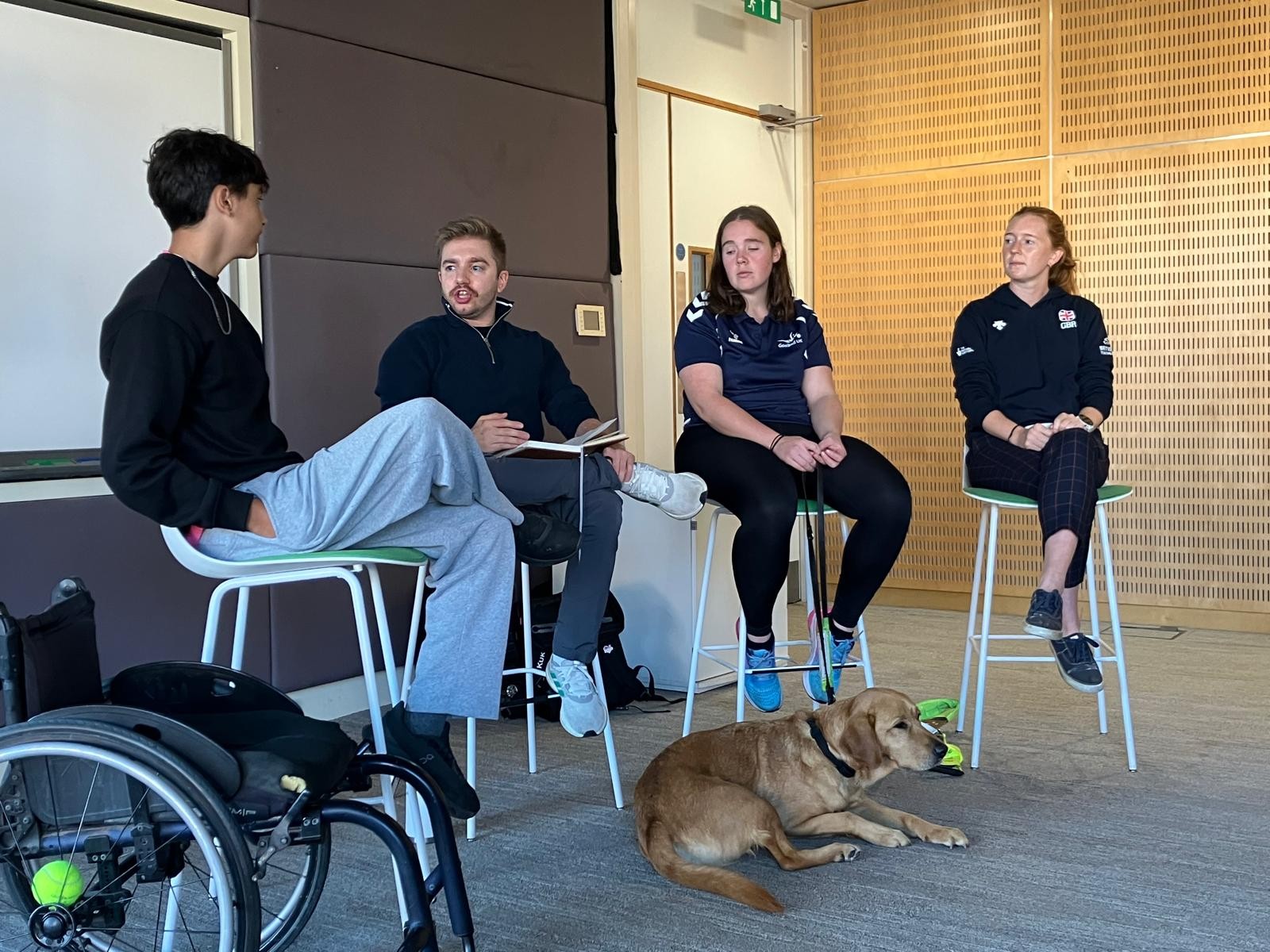
The panel offered practitioners an honest insight into the experiences of para athletes, including some of the challenges they can face.
Lois gave clear advice “Be willing to make mistakes and know that you won’t always get it right,”.
She also emphasised that every disability is different and that an athlete’s needs can change. Her advice was simple: don’t be afraid to ask questions.
Lucas highlighted the importance of understanding an athlete’s limits, and therefore not asking them to do things are impossible. The panel also discussed how the environment can impact an athlete’s experience. For a visually impaired athlete, for example, moving equipment in a familiar gym can turn something that was previously safe into a potential hazard.
Experiencing Para Sport
The panel was followed by practical introductions to three different sports, starting with goalball.
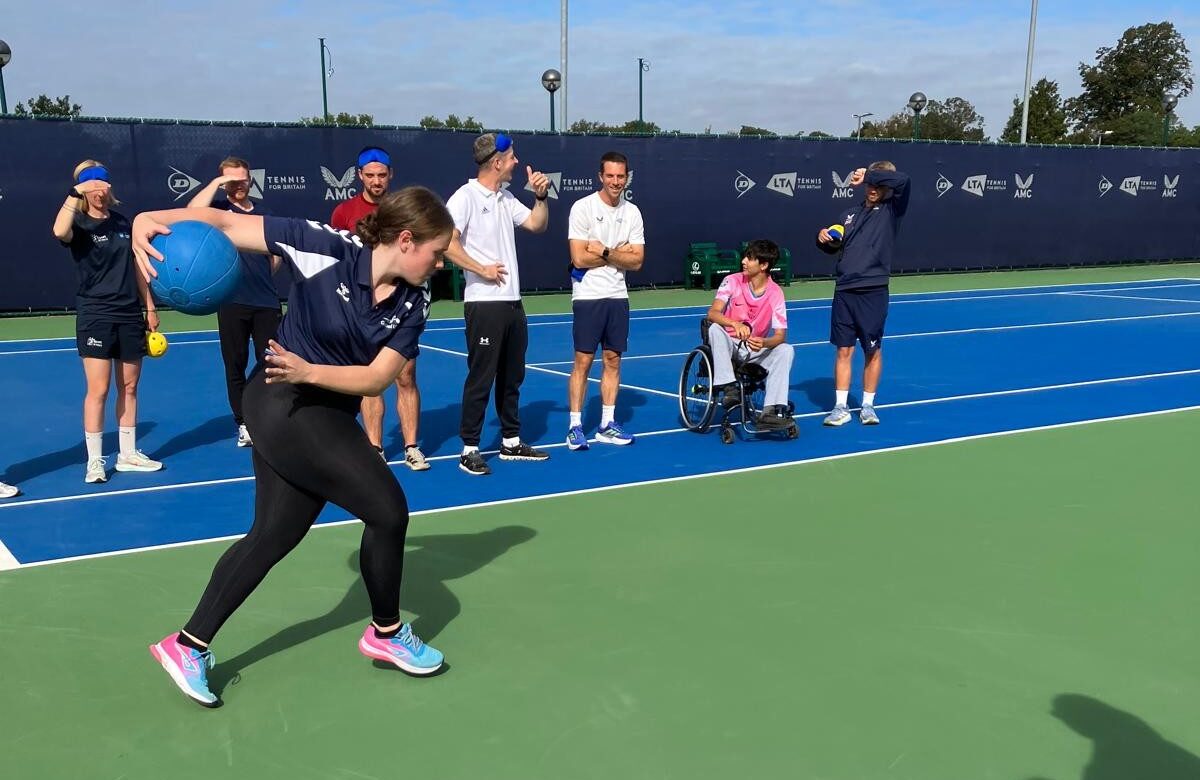
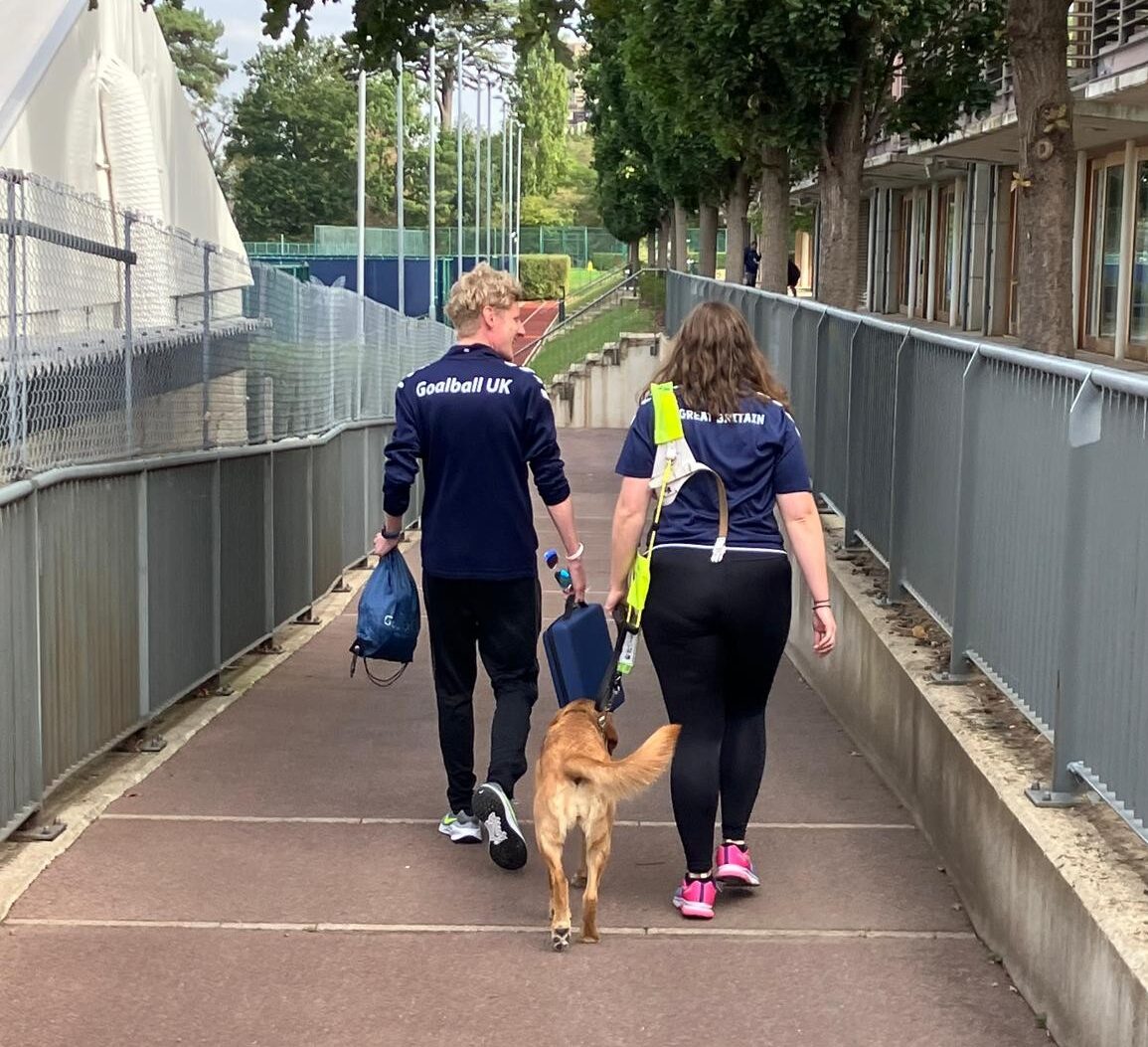
Lois, Talent Officer and Stephen, Community Development Officer at Goalball, explained the basics of the sport before practitioners were invited to try it for themselves.
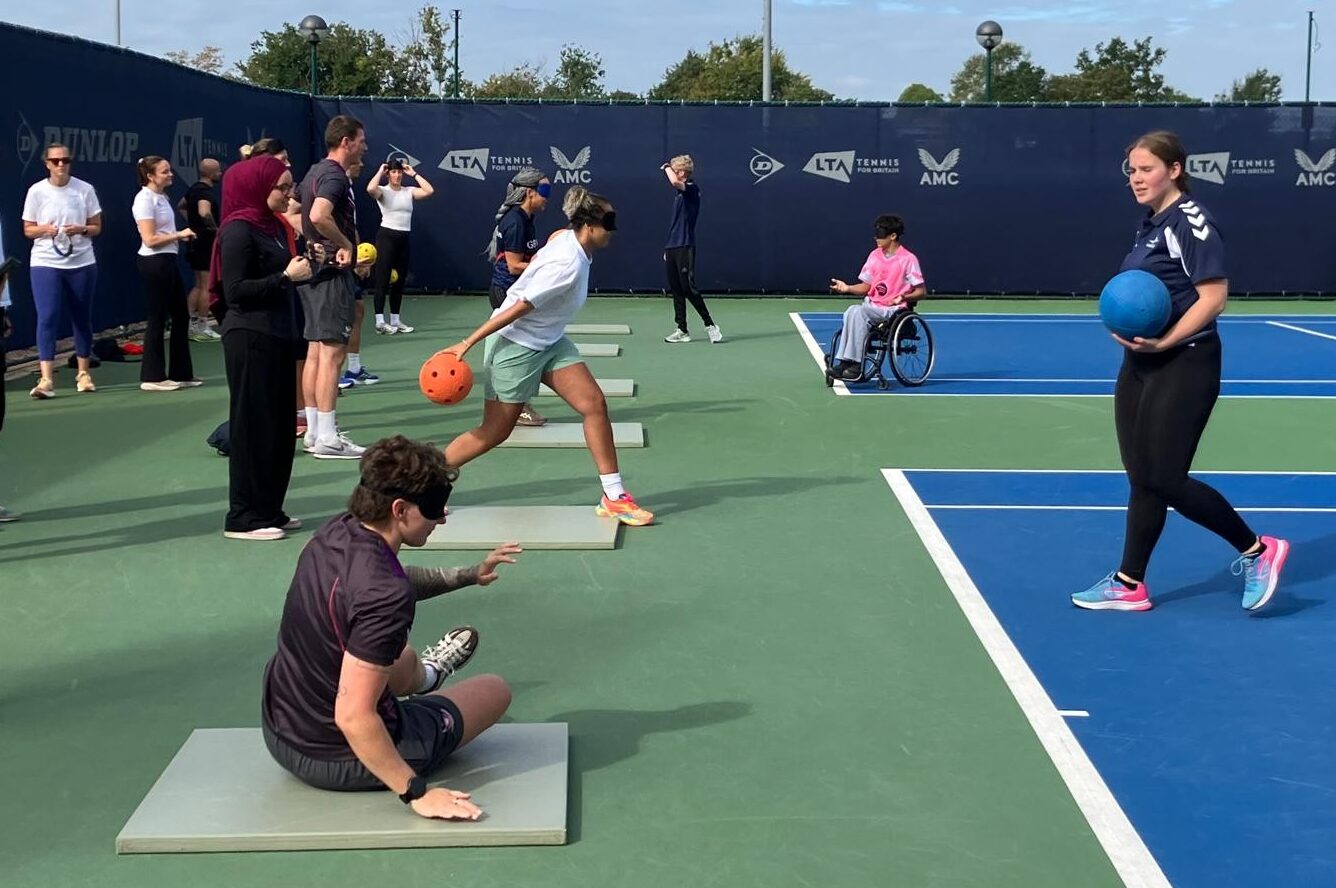
Designed for blind and partially sighted athletes, goalball relies heavily on sound. The 1.25kg ball contains bells, and players must listen carefully to track its movement before throwing or rolling it towards the opposing goal.
Practitioners experienced this first-hand, wearing eye shades that replicated different sight conditions and relying on colleagues to guide them. They also took to the mat to try defending against the ball, reacting to the sound of the bells and attempting to block it with their bodies.
Para Triathlon
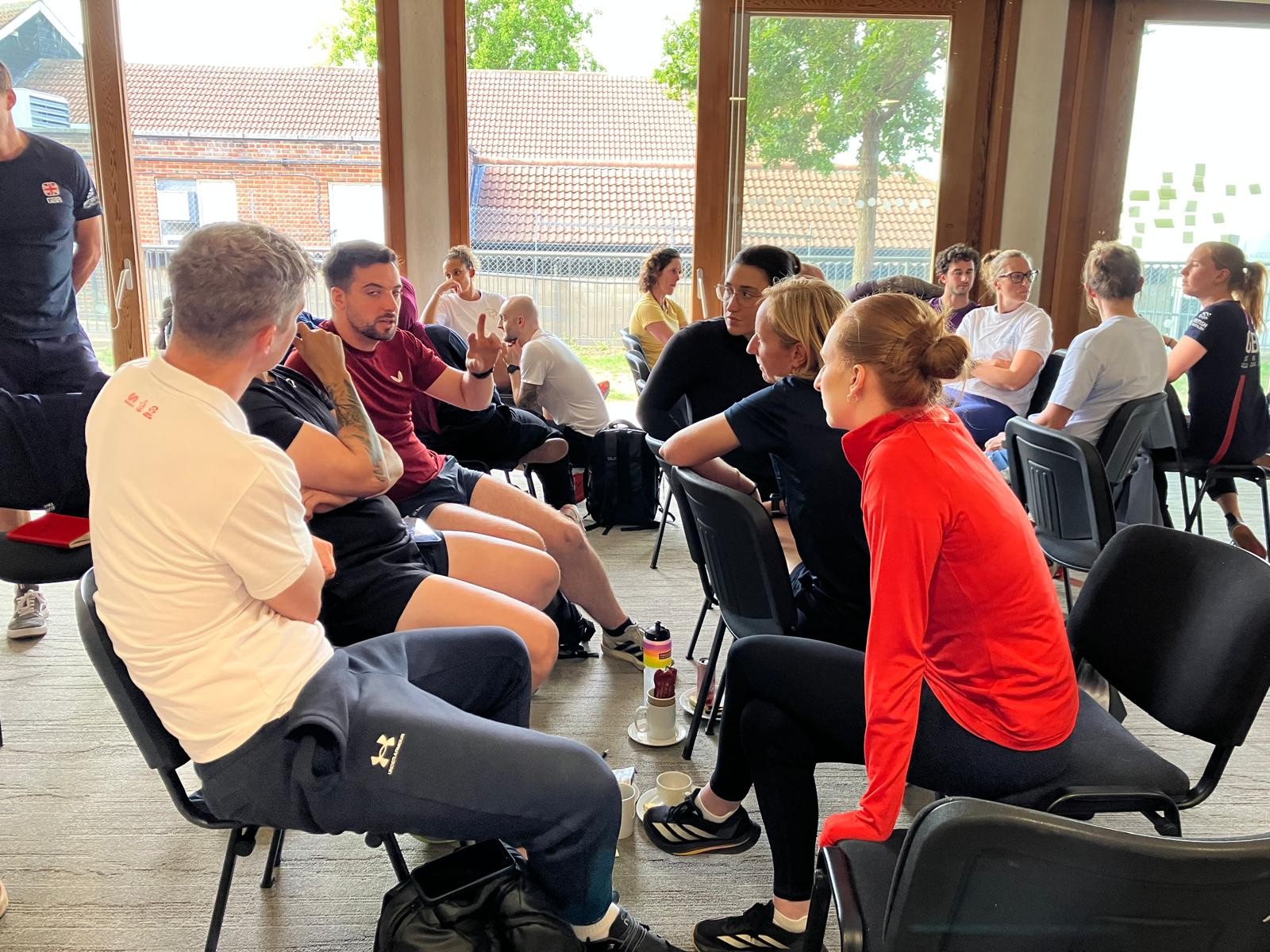
Next came para triathlon, with Tom Smith, Para Triathlon Pathway Manager, and Becky introducing practitioners to the sport and some of the adaptations used by athletes.
Para triathlon made its Paralympic debut at Rio 2016 and includes swimming, cycling and running. Athletes compete across different sport classes, including ambulant, visually impaired and wheelchair categories.
Practitioners also learned about the specialist equipment that can be required, from handcycles and racing wheelchairs to tandems and prosthetics.
For visually impaired athletes, the relationship with the guide is particularly important. During the swim, athlete and guide are tethered together, highlighting the level of communication and trust required throughout the event.
Wheelchair Tennis
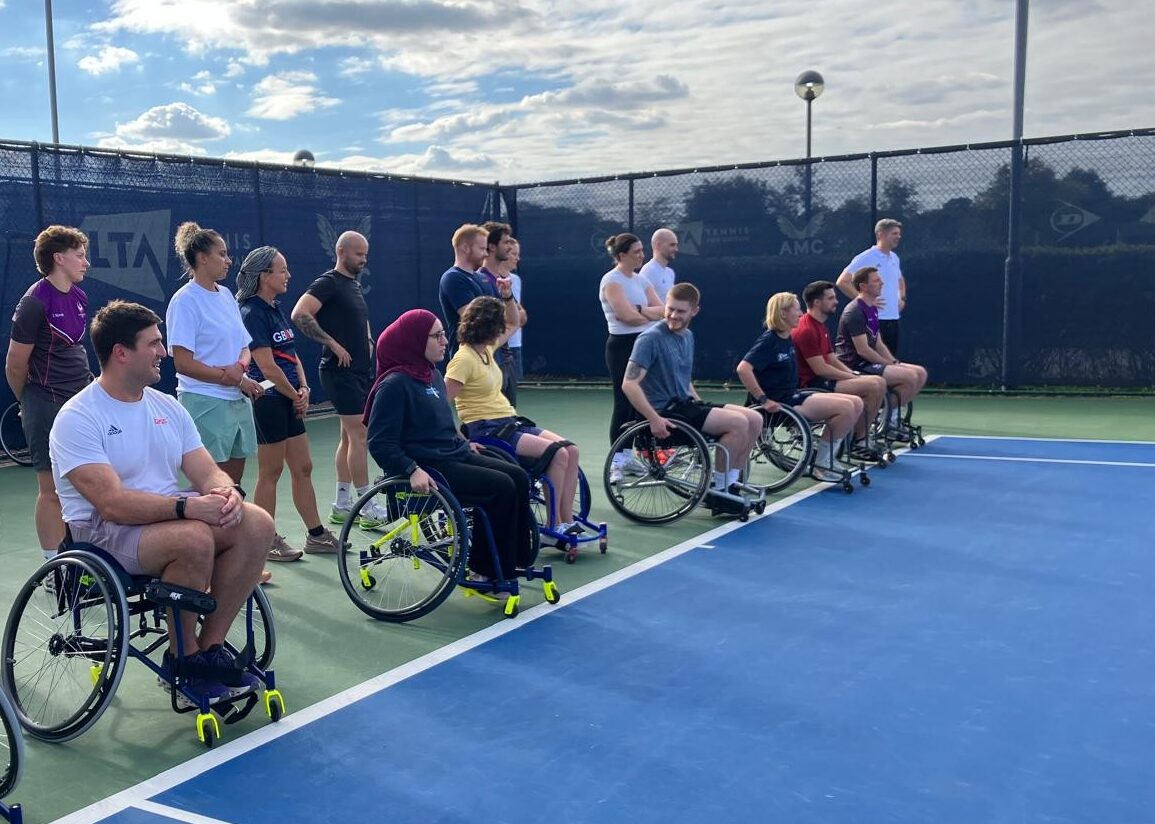
The final session saw practitioners take to the tennis court for an introduction to wheelchair tennis.
Alex Cockram, Performance Support Lead, and Matt Grover, Wheelchair Tennis Talent Pathway Manager, explained the sport before practitioners climbed into the specialist chairs themselves.
Teams competed in a relay before taking on a slalom challenge and trying their hand at serving.
Lucas, fresh from winning the junior boys’ doubles title at this year’s Australian Open, demonstrated his skills in his own ‘Ferrari’ of a chair. The practitioners may not have matched his speed or precision, but they certainly embraced the challenge.
Alex explained how wheelchair tennis requires players to combine speed with dexterity, while also highlighting the physical demands of the sport.
Understanding through experience
The day gave practitioners the chance to hear directly from athletes, learn from coaches and experts, and experience elements of para sport for themselves.
Jen Fairfield, TDS Lead at St Mary’s University said: ‘This was a fantastic opportunity to see athletes and practitioners breaking down barriers in sport. I learnt a lot about adaptation and not under estimating people.’
It reinforced that there is no one-size-fits-all approach to working with para athletes.
Strength & Conditioning Coach Dave added: ‘It was fascinating to delve deeper into the perspectives of both para athletes and those involved in the coaching of para athletes on a daily basis. How both parties collaborate to create a successful training and competition environment is very impressive, as is the technical skill involved in performing a sport whilst completely visually impaired, and moving a chair in tennis – it is made to look easy from a distance, but came away with an ever deeper appreciation of just how technical this is’.
Ralph Appleby, Strategic Lead for Services, explained the importance of days like these within the TASS network.
“Giving our practitioners the opportunity to hear directly from para athletes, and try out different para sports is incredibly valuable. It builds understanding beyond the theory and gives practitioners a much better appreciation of the individual needs, challenges and opportunities that para athletes can experience. Hopefully, they leave the day feeling more confident about asking questions and, most importantly, seeing possibilities rather than barriers.”
Thank you to everyone who contributed to the day, including the athletes, coaches and representatives from Goalball, British Triathlon and Wheelchair Tennis for sharing their knowledge and experiences.